
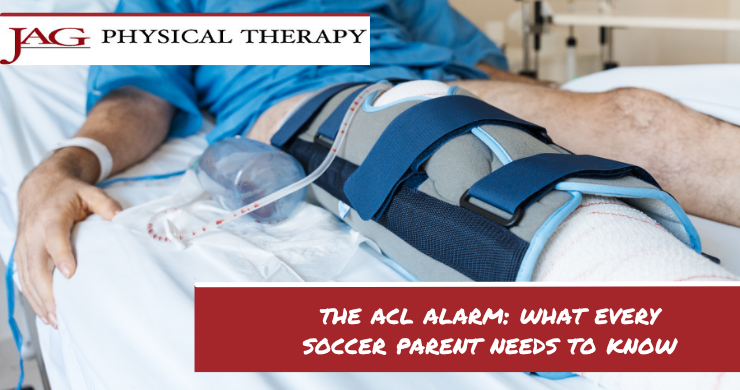
THE ALC ALARM: WHAT EVERY SOCCER PARENT NEEDS TO KNOW
ACL injuries in youth soccer are on the rise, and for parents, understanding the warning signs, knowing how to avoid the injury, and learning ACL prevention strategies for young athletes is more important than ever. Whether your child is mastering toe taps, or dreaming of college recruitment, protecting their body now helps preserve their soccer future.
Understanding ACL Risk
Anterior cruciate ligament (ACL) injuries are some of the most common soccer injuries in soccer players, with girls aged 13–17 facing the highest risk. These injuries usually occur during quick pivots, sudden changes in direction, or awkward landings, all movements specifically familiar to soccer.
Top risks include:
- Weak core strength and poor neuromuscular control
- Muscle imbalances, such as weak hamstrings compared to the quadriceps muscles Inefficient landing or jumping mechanics
- Poor warm-up and cool-down routines
- Periods of rapid growth during puberty
Warm-Ups, Recovery, and Injury Prevention for Youth Soccer
A strong warm-up routine is the first line of defense in youth soccer injury prevention. But injury prevention doesn’t stop there. Parents and players should be educated in a comprehensive routine that includes recovery and proper movement training.
Soccer warm-up exercises for youth athletes
- High knees & butt kicks: activate major muscle groups throughout the body
- Leg swings (front/back & side/side): warms up joints to ultimately improve mobility
- Lateral shuffles: mimics in-game movement
- Walking lunges: builds coordination and balance
Recovery routines
- Foam rolling: targets sore muscles and creates an increase in blood flow circulation
- Static stretching: beneficial for post-practice or match in order to improve flexibility
- Ice baths: reduces inflammation throughout the body
ACL prevention exercises for youth athletes
- Single-leg squats: reinforces hip and knee stability
- Jump and land drills: improves awareness for proper form
- Agility ladder drills: develops neuromuscular coordination
LEARN MORE ABOUT ACL INJURY
PREVENTION EXERCISES
Core Strength for Young Athletes
Core training goes beyond abs; it’s the foundation of stability for ACL prevention for youth athletes. A strong core supports posture, balance, and impact absorption, all important in soccer's fast-paced environment.
Recommended core exercises for youth soccer athletes:
- Dead bugs: promotes coordination and spine alignment
- Glute bridges: activates the posterior chain such as hamstring and gluteal muscles Side planks with leg lifts: builds lateral strength and stability
- Bird-dogs: improves balance and trunk control
Training tips for parents:
- Keep sessions short but consistent (2–3x per week)
- Stick to bodyweight exercises before progressing to any sort of resistance training
- Make workouts fun by turning exercises into games or challenges
READ MORE ABOUT EXERCISES
TO IMPROVE CORE AND STRENGTH FOR SOCCER
Physical Therapy for Soccer Players
Physical therapy (PT) for soccer players isn’t just rehab; it’s training, education, and long-term injury prevention. Programs from trusted providers like JAG Physical Therapy offer individualized care plans and performance guidance.
Why PT Matters:
- Identifies faulty movement patterns before injury occurs
- Addresses core imbalances and flexibility weaknesses
- Provides safe return to play for youth soccer players
- Boosts performance through form and strength work
The Takeaway
Knowledge is power, and prevention is key. As ACL injuries become more common in youth sports, parents can help lead the way by prioritizing:
- Smart warm-ups and injury-preventive exercises
- Consistent core strength development
- Balanced nutrition and hydration strategies
- Expert physical therapy when needed
Together, we’re shaping a generation of young athletes who play strong, stay safe, and love the game for years to come.
START GETTING BACK
THE LIFE YOU LOVE