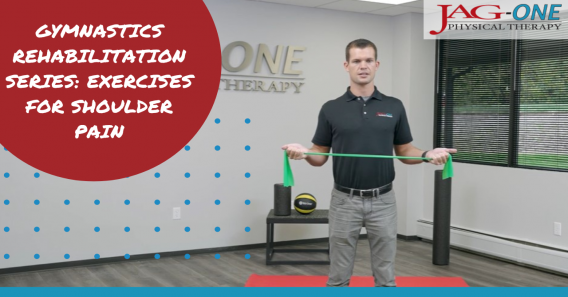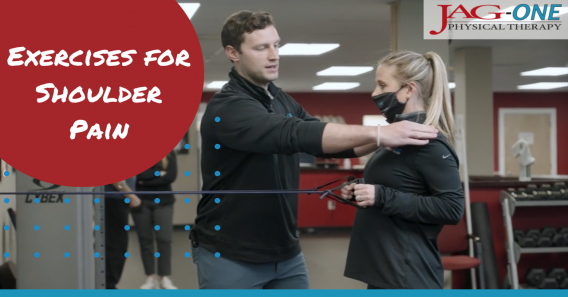
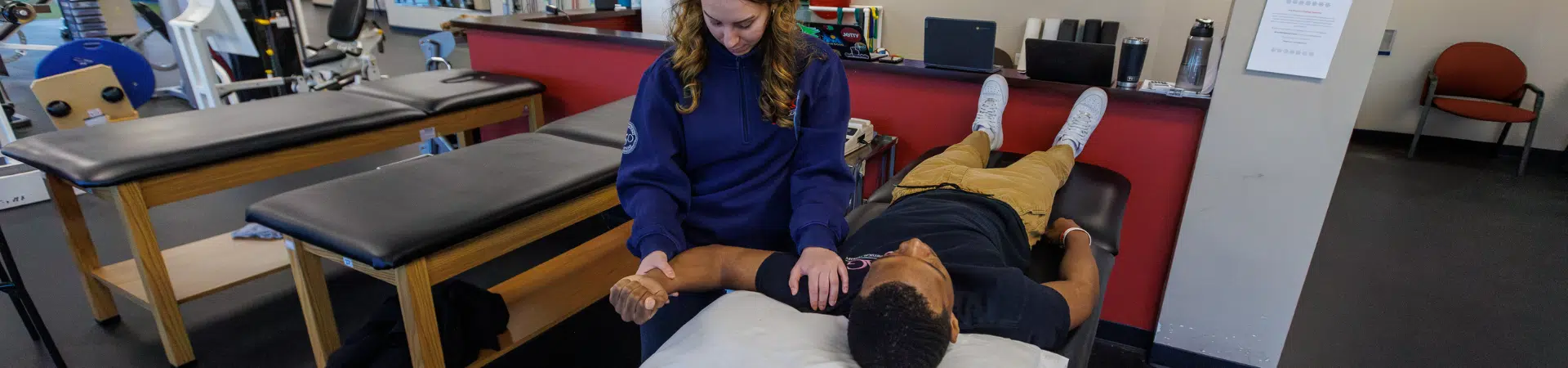
We talk about “carrying a weight on our shoulders” for good reason. The shoulders are some of our most-used parts of our musculoskeletal system. A shoulder injury can keep you away from work or recreation for too long – but if you get the right treatment at the right time, it doesn’t have to.
JAG PT is NY, NJ, and PA’s physical therapy expert at treating shoulder injuries and pain – our empathetic PT staff will customize the right treatment plan for you and put your shoulders in their capable hands.
Common Shoulder Injuries
Learn more about some of the most often seen shoulder conditions below, or book an appointment – don’t delay in getting your shoulder back to functioning.
- Bursitis
- Subacromial Bursitis
- Tendinitis
- Impingement
- Dislocation/ Subluxation
- Instability
- Fractures
- Arthritis
- SLAP (Superior Labrum Anterior and Posterior) Tear
- Labral Tear
Is Physical Therapy Good for Shoulder Pain?
Physical therapy is one of the best ways to get immediate symptom relief for any musculoskeletal condition. This includes shoulder pain – a variety of physical techniques are beneficial for the muscles of the shoulder, the scapula and humerus themselves (the bones that meet in the shoulder joint), and even the synovial fluid capsule within the shoulder.
What Causes Pain in the Shoulder?
The shoulder joint, when healthy, has the greatest range of motion of any joint in the body. But this high mobility makes the structure of the joint unstable – shoulders are prone to injuries of various kinds, and only about a third of doctor visits from shoulder pain are directly related to injury, so many other conditions can also arise. For example, the shoulder joint is the most frequently-dislocated part of the skeleton, and shoulder separation, in which ligaments tear and the clavicle slips away from the scapula, is also common. Conditions elsewhere in the body can also cause referred pain to be felt in the shoulder.
Physical Therapy Before and After Shoulder Surgery
Many orthopedic surgeons recommend that their patients seek out both pre- and post-operative physical therapy in order to have a better recovery outcome. It’s especially a good idea if you’re planning to undergo shoulder surgery. The everyday range of motion required in the shoulder joint is high – so maintaining strength and flexibility is paramount. And you should make sure to maintain mobility in your shoulder muscles, ligaments, and tendons, as the entire musculoskeletal surroundings of the shoulder will be affected no matter what kind of surgery you’re receiving. Physical therapy treatments before and after your shoulder surgery are critical to getting the best outcome.
Shoulder Injury Signs and Symptoms
The symptoms of shoulder injuries may range from pain and numbness to stiffness and weakness, and all of them have the potential to be very disruptive to your life. Some of the most common shoulder conditions include the following:
Frozen Shoulder
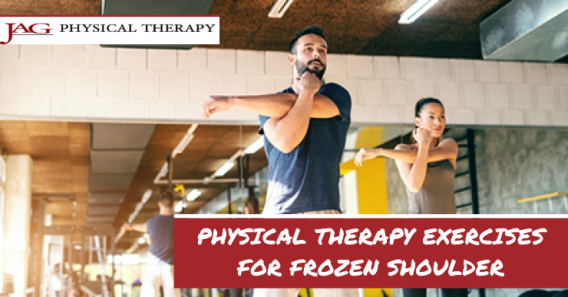
Frozen shoulder is the common name for a condition called adhesive capsulitis of the shoulder. It begins with slow onset of pain, progressing to a gradual loss of motion in the shoulder, and eventually complete immobility, due to abnormal adhesions of tissue within the joint capsule. No direct cause has been identified for this condition, but risk factors include autoimmune diseases and Dupuytren’s contracture, which is caused by adhesions in the finger.
Shoulder Impingement Syndrome
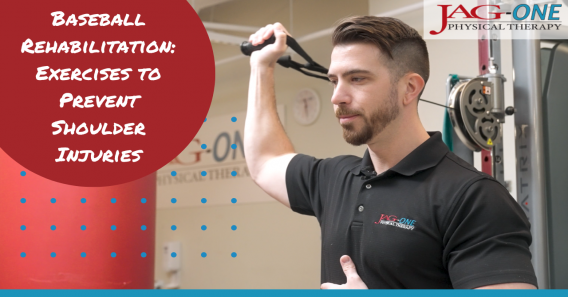
Also known as swimmer’s shoulder and thrower’s shoulder, from the types of athletes who often contract this condition, shoulder impingement syndrome is caused by inflammation of the rotator cuff tendons. This results in weakness, a grinding and popping sensation, and pain that gets worse at night or with overhead shoulder movement.
Rotator Cuff Tear
Rotator cuff tears are common in athletes and people over 40. The muscles and tendons of the rotator cuff can be torn by sudden trauma or by wear over time. The most common symptoms include pain worsened by movement, weakness, and an irritating clicking sensation. An injury to the rotator cuff is especially convenient because it interferes with the movements needed to put on clothes and care for one’s hair.
Subacromial Bursitis
The subacromial bursa separates one of the rotator cuff tendons from the ligament above it. When it becomes inflamed, usually as part of other shoulder impingement syndrome symptoms, it can cause highly localized pain and weakness along the front side of the shoulder running into the neck.
Dislocation and Subluxation
A dislocation of the shoulder occurs when the head of the humerus moves away from the shoulder joint, and a subluxation is when this detachment is partial and there is still some contact. While dislocations are more severe, both types of injuries usually occur during athletic activity. Both can cause significant pain, a slipping sensation, and resistance to any kind of movement, and after promptly getting treatment to replace the bone into the joint, physical therapy is the best choice to restore full functioning.
Fractures
The shoulder is susceptible to fractures in both the clavicle and scapula. Clavicular fractures often occur due to hard falls onto the shoulder or outstretched arm, and scapular fractures are more often due to high-speed vehicle crashes or other very forceful injuries, since the scapula is considerably sturdier and more protected by surrounding tissue. Both types of shoulder fracture can be extremely painful and can cause movement problems even after healing.
SLAP (Superior Labrum Anterior and Posterior) Tear
The glenoid labrum is the structure that is attached to the rim of the shoulder joint’s socket. Usually, a tear to the labrum, which is made of cartilage, is due to athletic activity. Symptoms of a SLAP tear usually include a dull, throbbing ache, a loss of perceived arm strength, and a sensation that the motion of the arm is “catching” or slowing midway.
Physical Therapy Methods in NY, NJ, and PA
At JAG PT, our multispecialty treatments combine different methods to give you a better outcome than simply receiving those treatments individually. When we treat injuries and other conditions affecting the shoulder, we find a wide range of methods are effective. These can include the Graston technique to break up adhesions associated with frozen shoulder and help the synovial capsule gradually heal, manual therapy on the scapula and shoulder muscles, and pre- and post-operative physical therapy for people whose shoulder conditions will require surgery. This integrated approach helps reduce shoulder pain, improve mobility and strength, and restore functional movement for daily activities and sports.
See a Physical Therapist to Start Your Shoulder Injury Recovery
JAG Physical Therapy offers a wide network of convenient locations throughout New York, New Jersey, and Pennsylvania, making high-quality care easy to access when you need it most. With clinics strategically located in local communities, accessing treatment is simple and stress-free—whether you’re seeking care close to home, work, or school.
Whether you’re recovering from an injury, managing ongoing pain, or working to restore strength and mobility, our experienced team is ready to work with you every step of the way. Don’t put your recovery on hold—find your nearest location or schedule your initial appointment today.
-
 200 State Route 10, Suite 24, East Hanover, NJ 07936973 -329 -9688
 -
 211 Tuckerton Road, Suite 1, Medford, NJ 08055609-451-5104
 -

-
 1 Hanson Place, 4th Floor, Brooklyn, NY 11243718-230-0529
 -
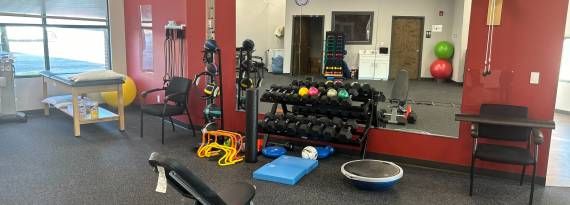 1 Orient Way, Suite A, Rutherford, NJ 07070973-320-3171
 -

-
 10 Woodbridge Center Drive, Suite 102, Woodbridge, NJ 07095732-855-0384
 -

-
 100 N. Middletown Road, Pearl River, NY 10965845-589-0558
 -
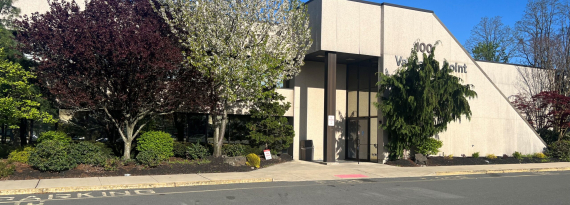 100 NJ-36, Suite 2P, West Long Branch, NJ 07764732-759-8478
 -
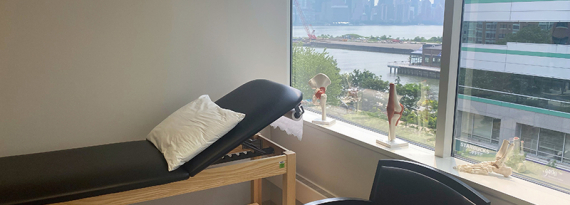 100 Town Square Place, Suite 403, Jersey City NJ 07310(201) 702-8430
 -
 1000 Galloping Hill Rd., Suite 102, Union, NJ 07083(908) 258-8783
 -

-
 101 South Main Street, Unit 3, New City, NY 10956845-247-6252
 -
 101 West 79th Street, Unit B, New York, NY 10024646-362-8987
 -
 1041 W. Jericho Turnpike, Smithtown, NY 11787(631) 864-6009
 -

-
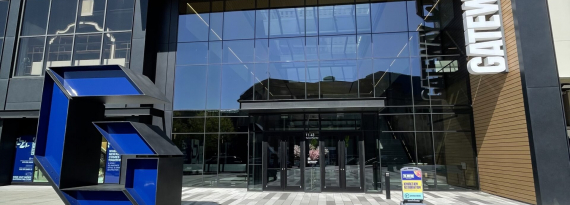 11-43 Raymond Plaza, Suite S105, Newark, NJ 07102973-329-9699
-
200 State Route 10, Suite 24, East Hanover, NJ 07936973 -329 -9688
-
211 Tuckerton Road, Suite 1, Medford, NJ 08055609-451-5104
-
-
1 Hanson Place, 4th Floor, Brooklyn, NY 11243718-230-0529
-
1 Orient Way, Suite A, Rutherford, NJ 07070973-320-3171
-
-
10 Woodbridge Center Drive, Suite 102, Woodbridge, NJ 07095732-855-0384
-
-
100 N. Middletown Road, Pearl River, NY 10965845-589-0558
-
100 NJ-36, Suite 2P, West Long Branch, NJ 07764732-759-8478
-
100 Town Square Place, Suite 403, Jersey City NJ 07310(201) 702-8430
-
1000 Galloping Hill Rd., Suite 102, Union, NJ 07083(908) 258-8783
-
-
101 South Main Street, Unit 3, New City, NY 10956845-247-6252
-
101 West 79th Street, Unit B, New York, NY 10024646-362-8987
-
1041 W. Jericho Turnpike, Smithtown, NY 11787(631) 864-6009
-
-
11-43 Raymond Plaza, Suite S105, Newark, NJ 07102973-329-9699
RELATED BLOGS & VIDEOS