
What are Shin Splints?
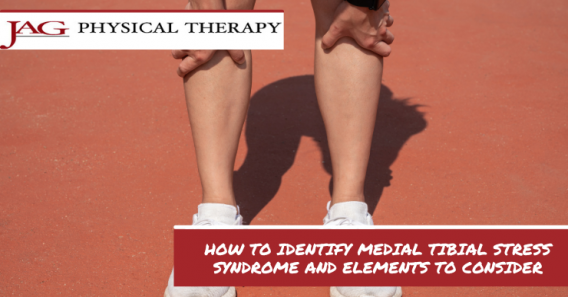
Medial tibial stress syndrome, more commonly termed shin splints, is the term used for lower leg pain that occurs below the knee over the anterior portion of the tibia. Shin splints are very common, especially in runners, tennis players, dancers, and other athletes.
Common Causes of Shin Splints
Shin splints often result from excessive force on the bone and the resulting pain is due to tissues attaching the shinbone to the muscles surrounding it. This causes the muscles to swell, leading to pain and inflammation. Below are some of the common causes of shin splints.
- Stress Reactions to Bone Fractures
If the body is not given enough time to rest, the constant pounding can cause minute cracks or stress fractures in the tibia, which can then result in a complete fracture. - An Anatomical Abnormality
Having flat feet or high arches can increase the likelihood of developing shin splints. - Muscle Weakness in Thighs or Buttocks
Putting excessive force on muscles that are underdeveloped can increase the chance of developing shin splints. - Improper Training Techniques
Increasing the duration, frequency, or intensity of exercise can make a person more susceptible to shin splints. In addition, training on uneven or hard terrain, like hills and hard surfaces, can increase a person’s risk of developing shin splints.
Symptoms of Shin Splints
Tenderness, soreness, and pain along the inner side of the shinbone are all signs you may be suffering from shin splints. Another common symptom is swelling in the lower leg. When shin splints first develop, the pain may stop after exercising. As time goes on and proper treatment isn’t allowed, the pain may become continuous and can lead to a stress reaction or fracture.
Treatment Options for Shin Splints
Treating shin splints can take anywhere from several weeks to a few months, depending on the severity. To allow for the inflamed tissues to heal, it is advised that patients stop running and excessive physical activity. Treating shin splints is most commonly done with the following techniques.
- Rest – Patients do not have to give up physical activity, but it is advised to avoid activities that cause pain, swelling, and discomfort. Low-impact exercises, like swimming of cycling, are great alternatives to exercise during the recovery period.
- Ice – Apply ice packs to the affected shin for 15 minutes at a time, four to eight times a day. This should be done for several days.
- Visit a Physical Therapist – It is crucial to visit a physical therapist to ensure shin splints aren’t hiding a more serious injury, such as compartment syndrome or fractures. A physical therapist will be able to help patients create a treatment plan that will have them resume to their favorite physical activities again as quickly as possible.
Exercises to Avoid Shin Splints
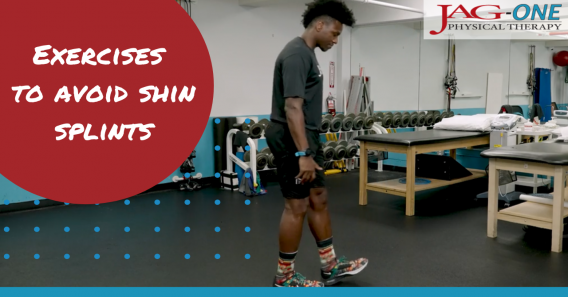
Our JAG PT physical therapists let you know three easy exercises you can do to help prevent getting shin splints. All of these exercises can help to activate your front shin muscle which will help to loosen it before and after running.
Schedule a Consultation with a Physical Therapist
If you are experiencing any pain or discomfort in your lower legs, you may be suffering from shin splints. Be sure to contact JAG Physical Therapy today!