
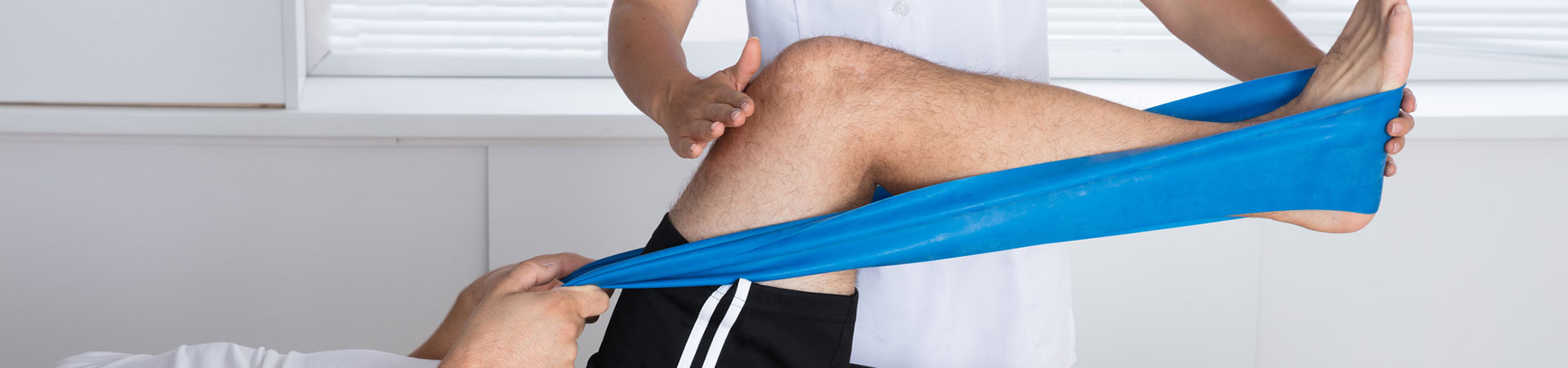
The meniscus is a specialized piece of cartilage in the knee that sits atop the tibial plateau and forms a contact surface with the femur. Each knee has two menisci: the medial meniscus, which is more “C-shaped,” and the lateral meniscus, which is more “O-shaped.” These structures play a critical role in maintaining knee health by cushioning the joint, absorbing shock, and reducing the stress placed on the bones during movement.
Beyond shock absorption, the meniscus is essential for proper joint congruency, load distribution, and stability. It also serves as a functional block during knee extension and flexion, helping guide smooth, controlled motion. Meniscal tears occur when this cartilage is damaged, which can result from an acute injury, repetitive stress, or age-related degeneration.
These tears often happen during twisting, pivoting, or sudden changes in direction, and they can lead to pain, swelling, instability, and limited range of motion in the knee. Proper diagnosis and rehabilitation are crucial to restore knee function and prevent long-term complications.
- Knee Pain
- Swelling within the joint
- Cannot achieve full leg flexion or extension
- Feeling as if your knee gets stuck or locks out
- Knee stiffness
- A sensation of giving away or instability in the knee
Your physician will evaluate your injury by taking a complete medical history, including mechanism of injury, prior injuries and symptoms. Your physician will complete a physical examination of your knee. Your physician may recommend an MRI which is the best way for seeing a meniscus tear. Your physician may recommend surgery or may suggest physical therapy pending the degree of damage to the meniscus.
- Rest – stay off your leg as much as possible, or use an ambulatory device, such as crutches
- Ice – use ice for 20 minutes on with 40 minutes off throughout the day, for the first 72 hours since the injury occurred
- Compress – use a compression sleeve or ace wrap. This will help to reduce the swelling
- Elevate your leg – keep your knee elevated
- Take an anti-inflammatory or pain medication prescribed by your physician
Arthroscopic surgery is a possible solution for a meniscus tear. The surgeon will insert a tube into the knee. This tube has a light and camera on the end and makes it easier for the doctor to remove the damaged meniscus.
After the surgery, physical therapy will be recommended to strengthen the muscles surrounding the knee joint. You can schedule your appointment at the nearest JAG Physical Therapy location to you. We have over 170 locations throughout New Jersey, New York and Pennsylvania.
- Strong muscles in the thigh – quadriceps, adductors, and hamstrings
- Stretch before and after you exercise
Schedule an Appointment with JAG Physical Therapy
If you’re experiencing knee pain from a meniscus tear, our expert team at JAG Physical Therapy can help. We specialize in treating knee injuries and can provide you with personalized care.
JAG Physical Therapy offers a wide network of convenient locations throughout New York, New Jersey, and Pennsylvania, making high-quality care easy to access when you need it most. With clinics strategically located in local communities, accessing treatment is simple and stress-free—whether you’re seeking care close to home, work, or school.
Whether you’re recovering from an injury, managing ongoing pain, or working to restore strength and mobility, our experienced team is ready to work with you every step of the way. Don’t put your recovery on hold—find your nearest location or schedule your initial appointment today.
-
 200 State Route 10, Suite 24, East Hanover, NJ 07936973 -329 -9688
 -
 211 Tuckerton Road, Suite 1, Medford, NJ 08055609-451-5104
 -

-
 1 Hanson Place, 4th Floor, Brooklyn, NY 11243718-230-0529
 -
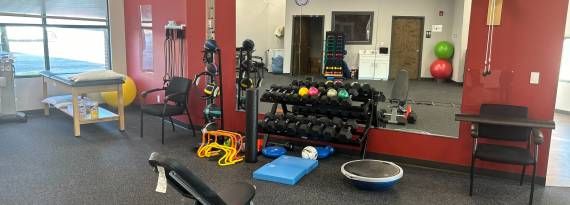 1 Orient Way, Suite A, Rutherford, NJ 07070973-320-3171
 -

-
 10 Woodbridge Center Drive, Suite 102, Woodbridge, NJ 07095732-855-0384
 -

-
 100 N. Middletown Road, Pearl River, NY 10965845-589-0558
 -
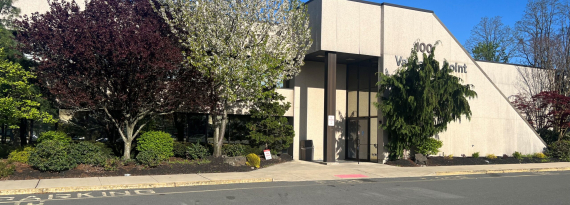 100 NJ-36, Suite 2P, West Long Branch, NJ 07764732-759-8478
 -
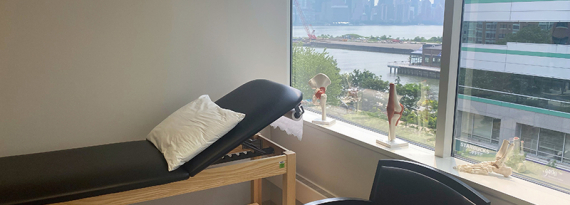 100 Town Square Place, Suite 403, Jersey City NJ 07310(201) 702-8430
 -
 1000 Galloping Hill Rd., Suite 102, Union, NJ 07083(908) 258-8783
 -

-
 101 South Main Street, Unit 3, New City, NY 10956845-247-6252
 -
 101 West 79th Street, Unit B, New York, NY 10024646-362-8987
 -
 1041 W. Jericho Turnpike, Smithtown, NY 11787(631) 864-6009
 -

-
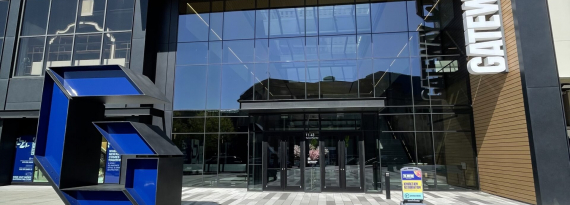 11-43 Raymond Plaza, Suite S105, Newark, NJ 07102973-329-9699
-
200 State Route 10, Suite 24, East Hanover, NJ 07936973 -329 -9688
-
211 Tuckerton Road, Suite 1, Medford, NJ 08055609-451-5104
-
-
1 Hanson Place, 4th Floor, Brooklyn, NY 11243718-230-0529
-
1 Orient Way, Suite A, Rutherford, NJ 07070973-320-3171
-
-
10 Woodbridge Center Drive, Suite 102, Woodbridge, NJ 07095732-855-0384
-
-
100 N. Middletown Road, Pearl River, NY 10965845-589-0558
-
100 NJ-36, Suite 2P, West Long Branch, NJ 07764732-759-8478
-
100 Town Square Place, Suite 403, Jersey City NJ 07310(201) 702-8430
-
1000 Galloping Hill Rd., Suite 102, Union, NJ 07083(908) 258-8783
-
-
101 South Main Street, Unit 3, New City, NY 10956845-247-6252
-
101 West 79th Street, Unit B, New York, NY 10024646-362-8987
-
1041 W. Jericho Turnpike, Smithtown, NY 11787(631) 864-6009
-
-
11-43 Raymond Plaza, Suite S105, Newark, NJ 07102973-329-9699