

TOP 5 EXERCISES TO PREVENT ANKLE SPRAINS
An ankle sprain occurs when ligaments stretch or tear after twisting or rolling the ankle. Symptoms include pain, swelling, bruising, and instability. To treat a sprained ankle, use the R.I.C.E method- Rest, Ice, Compression, Elevation- for the first 24-72 hours. This can help alleviate pain and begin the healing process.
Ankle sprains are one of the most common injuries among athletes and active individuals. They can happen during sports, workouts, running, walking, or even during daily activities. A single ankle sprain can increase the risk of ankle sprains in the future if strength and mobility are not addressed.
Prevention is not just about avoiding the injury; it is about building stronger, more stable muscles. Exercise is an important part of recovery after the initial pain and swelling begin to improve. Physical therapy focuses on improving strength, mobility, coordination, and balance. Below are the top 5 exercises recommended by physical therapists to prevent ankle sprains.
1. Single-Leg Balance Exercises
The key purpose of single-leg ankle stability exercises is to improve proprioception (joint awareness) and strengthen the stabilizing muscles that prevent rolling or sprains. The ankle relies on small, stabilizing muscles to react quickly when the foot lands unevenly. Training these muscles will help the body respond faster and decrease the likelihood of rolling or twisting the ankle. The single-leg balance exercise activates and strengthens the tiny postural muscles guarding the ankle.

Exercise instructions:
- Stand on one foot with your knee slightly bent
- Hold your balance for 30-60 seconds
- Repeat on both sides
Progressions include:
- Stand on a pillow or unstable surface
- Close your eyes
- Add reaching movements
JAG tip- start with quality over difficulty, controlled movement is more important than how long you can hold it!
2. Calf Raises
Calf raises are a great exercise for strengthening and stabilizing the ankle. They build the muscles that support the ankle joint, reducing the risk of sprains and improving balance. Strong calves support the ankle while running, walking, jumping, and landing. Weak calves can make it harder to stabilize the ankle during sudden movements.
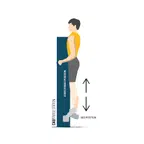
Exercise instructions:
- Stand with feet hip-width apart
- Push through your feet
- Rise onto your toes
- Pause at the top
- Slowly lower back down
Progressions:
- Perform on one leg
- Add weights
- Perform slowly
JAG tip-avoid bouncing; controlled movement creates better strength!
3. Resistance Band Ankle Strengthening
Ankle strengthening with resistance bands targets all four directions of the ankle. These include dorsiflexion (pulling up), plantarflexion (pointing down), inversion (turning in), and eversion (turning out). Resistance bands are a low-impact way to target stabilizing smaller muscles. It promotes gradual joint loading without excessive stress.

Exercise instructions:
- Dorsiflexion- wrap the band under the bottom of your foot and pull your toes towards your body
- Plantarflexion- wrap the band under the bottom of your foot and push your toes away from your body
- Inversion- pull foot inward, against the band
- Eversion- push foot outward, against the band
Progressions:
- Increase band resistance
- Slow the tempo
- Increase range of motion
JAG tip- make sure movement comes from the ankle, not the entire leg!
4. Heel –to-Toe Walks
Heel-to-toe walks are a low-impact, effective movement that targets muscles in the calves and ankles. They help stabilize your joints, improve balance, and prevent sprains. Many ankle injuries occur when the body loses control while stepping or changing direction. Dynamic exercises like this help prepare the ankle for real-life movements.

Exercise instructions:
- Walk forward by placing the heel of one foot directly in front of the toes of the other foot
- Continue walking and repeat for about 20 steps
- Keep your eyes forward and core engaged
Progressions:
- Walk backwards
- Add side steps
- Perform on different surfaces
JAG tip- move slowly and deliberately to train stability!
5. Lateral Hops/ Agility Exercises
Lateral hops and agility exercises build explosive power, dynamic stability, and ankle strength. They train the joint to quickly absorb impact and redirect force. Athletes and individuals often sprain the ankle during cutting, jumping, or landing. Performing these exercises helps prepare the ankles for these demands.

Exercise instructions:
- Hop side to side over a line
- Land softly and regain balance before the next hop
Progressions:
- Stand on one leg
- Add weights
- Increase jump distance
JAG tip- focus on quiet, controlled landing!
Additional Tips for Preventing Ankle Sprains
- Wear supportive footwear
- Warm up before exercise
- Maintain ankle mobility and flexibility
- Rehab previous ankle injuries appropriately
Note, if someone experiences repeated ankle sprains, a physical therapist can assist with strength, mobility, and movement patterns.
Conclusion
Stronger ankles come from consistent training and prevention exercises. Incorporating balance, strength, mobility, and agility exercises into your routine can help reduce injury risk. If you experience an ankle sprain, it is important to get proper treatment and recovery to prevent additional injuries.
START GETTING BACK
THE LIFE YOU LOVE


