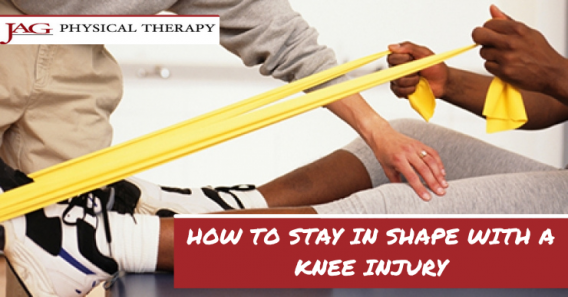

HOW TO RELIEVE PATELLOFEMORAL PAIN IN THE KNEE: A PHYSICAL THERAPY APPROACH TO MOVING COMFORTABLY AGAIN
Knee pain has a way of making everything harder. Walking, climbing stairs, getting up from a chair — activities most people do without thinking become sources of real discomfort when the patellofemoral joint is irritated. For runners, athletes, and anyone who stays active, it can sideline you from the things you care about most.
The frustrating part is that patellofemoral pain — commonly called runner’s knee — often doesn’t come from a single injury. It builds gradually through muscle imbalances, poor movement mechanics, or simply doing too much too soon. The good news is that it responds well to physical therapy, and most patients recover fully without surgery or medication.
Key Takeaways
- Patellofemoral pain is caused by poor kneecap tracking, muscle imbalances, or overuse — not typically a single traumatic injury.
- Symptoms are centered behind or around the kneecap and worsen with stairs, squats, kneeling, and prolonged sitting.
- Physical therapy addresses the root cause — not just the pain — by strengthening the quads, hips, and glutes while correcting movement mechanics.
- Sudden increases in activity level are one of the biggest contributing factors — gradual progression is one of the most effective forms of prevention.
- Most patients recover fully with a structured PT program and do not require surgery or injections.
- The earlier you start treatment, the faster and more complete the recovery.
What Is Patellofemoral Pain — and Why Does It Happen?
Patellofemoral pain occurs when the kneecap doesn’t track smoothly within the groove of the thighbone — creating friction, irritation, and pain around the front of the knee.
The patellofemoral joint is where the patella (kneecap) meets the femur (thighbone). It plays a central role in every form of leg movement. When this joint is functioning well, the kneecap glides smoothly through the patellar groove. When it isn’t, even everyday activities can become painful.
Common causes and contributing factors:
- Muscle imbalances: Weakness in the quadriceps, hips, or glutes allows the kneecap to shift out of its optimal tracking path
- Poor movement mechanics: Running form, squatting technique, and posture all affect how force is distributed through the knee
- Overuse or sudden increases in activity: Ramping up training volume too quickly is one of the most common triggers
- Prolonged knee flexion: Sitting with the knees bent for extended periods places sustained pressure on the patellofemoral joint
- Connective tissue irritation: Tightness in the IT band, hamstrings, or calf muscles can alter kneecap position and tracking
What Are the Common Symptoms of Patellofemoral Knee Pain?
The defining characteristic of patellofemoral pain is discomfort centered behind or around the kneecap — and it typically gets worse when the knee is under load or bent for extended periods.
Symptoms to watch for:
- Dull, aching pain behind or directly around the kneecap
- Pain that worsens going up or down stairs
- Discomfort during squatting, kneeling, or lunging
- Stiffness or aching after prolonged sitting — sometimes called the “movie sign”
- Clicking, grinding, or popping sensations when the knee moves
- Increased pain during running, jumping, or weightlifting
What makes it worse: Any activity involving repetitive knee loading — running, cycling, sports, stair climbing — places the same forces on the joint repeatedly. Over time, without addressing the underlying cause, those repetitive forces accumulate into persistent pain.
What Types of Exercises Are Used for Patellofemoral Pain?
Patellofemoral pain responds well to a targeted exercise program — but the right exercises depend on what’s driving your specific case.
Because over a dozen muscles contribute to knee joint movement, a balanced approach targeting the full lower extremity produces the best outcomes. Key exercise categories used in PT:
Quadriceps Strengthening
The quadriceps attach directly to the patella — strengthening this muscle group is one of the most important interventions for improving kneecap tracking and reducing pain. Exercises progress from straight-leg raises and terminal knee extensions to step-ups and partial squats as strength improves.
Hip and Glute Strengthening
Leg movement originates at the hip. Weakness in the glutes and hip abductors causes the knee to collapse inward during weight-bearing — a primary driver of poor patellar tracking. Clamshells, lateral band walks, and single-leg exercises address this directly.
Hamstring and Calf Stretching
Tightness in the posterior chain alters how force is transmitted through the knee. Targeted stretching reduces this tension and improves overall joint mechanics.
Balance and Neuromuscular Control
Single-leg balance and proprioception exercises retrain the body to distribute force more evenly across the knee — reducing the chance of symptoms returning once activity resumes.
All exercises begin at a level appropriate for your current pain and strength, progressing in difficulty as healing continues and tolerance improves.
What Movements Make Patellofemoral Pain Worse?
Activities that load the knee repeatedly in the same position are the primary drivers of patellofemoral pain — and the most important ones to modify during recovery.
Movements and habits that commonly aggravate symptoms:
- Running, especially on hills or hard surfaces
- Deep squats or leg press with heavy load
- Prolonged sitting with the knees bent past 90 degrees
- Stair climbing — particularly descending
- Jumping and landing activities
- Sudden increases in training volume or intensity without adequate preparation
What you can do: Gradual progression is the most effective form of prevention. Building toward higher athletic demands over time — rather than jumping into a full training load — significantly reduces the risk of overloading the patellofemoral joint. Your JAG PT therapist will help you identify which activities to modify temporarily and when it’s safe to return to full activity.
What to Expect During Physical Therapy for Knee Pain at JAG PT
Your first appointment at JAG PT is a thorough evaluation — designed to identify not just where the pain is, but why it’s happening.
Your therapist will:
- Assess your movement through gait analysis, strength testing, and flexibility evaluation
- Identify biomechanical contributors — kneecap alignment, muscle imbalances, and movement pattern deviations
- Screen for any structural contributors such as calcification or abnormal joint fluid
- Build a personalized exercise program you first practice in the clinic and then continue at home
Treatment at JAG PT is not a generic protocol. Your program is built around your specific findings, your activity level, and your recovery goals — and it evolves as your strength and pain levels change.
Your therapist will also educate you throughout the process: what’s driving your symptoms, why each exercise matters, and how to protect your knees as you return to full activity. An informed patient consistently recovers faster than one who simply follows instructions without understanding the reasoning behind them.
Take the Next Step Toward Relieving Knee Pain With JAG PT
Patellofemoral pain is frustrating precisely because it gets in the way of movement — and movement is what keeps you healthy, active, and doing what you enjoy. The right physical therapy program doesn’t just reduce pain. It corrects the underlying cause and builds the strength and mechanics that prevent it from coming back.
JAG Physical Therapy has helped patients across New York, New Jersey, and Pennsylvania recover from patellofemoral pain and return to full activity — with more than 160 convenient locations and experienced therapists who specialize in knee rehabilitation.
- 160+ locations across NY, NJ, and PA
- Experienced therapists specializing in knee conditions and patellofemoral rehabilitation
- Individualized treatment plans built around your activity level and recovery goals
- Evidence-informed, patient-centered care from evaluation through full return to activity
Book your appointment today and take the first step toward pain-free movement.
START GETTING BACK
THE LIFE YOU LOVE
Knee Pain (FAQs)
How long does it take to recover from patellofemoral pain with physical therapy?
Most patients notice meaningful improvement within 4 to 6 weeks of consistent PT. Full recovery — including return to sport or high-impact activity — typically takes 6 to 12 weeks depending on severity and how long symptoms have been present.
Can I keep exercising with patellofemoral pain?
In most cases, yes — with modification. Your JAG PT therapist will identify which activities to temporarily reduce or adjust while you build the strength and mechanics to return to full training safely.
Is patellofemoral pain the same as runner's knee?
Yes. Runner’s knee is a common term for patellofemoral pain syndrome — though it affects far more than just runners. Cyclists, hikers, weightlifters, and anyone who puts repetitive load through the knee can develop the condition.
Do I need imaging or an MRI to start physical therapy for knee pain?
Not necessarily. A thorough clinical evaluation by a physical therapist is often sufficient to begin treatment. Your therapist will refer you for imaging if findings suggest a structural issue that warrants further investigation.
Do I need a referral to see a physical therapist for knee pain?
In most cases, no. JAG PT accepts patients with and without referrals. Check with your insurance provider for specific coverage details.