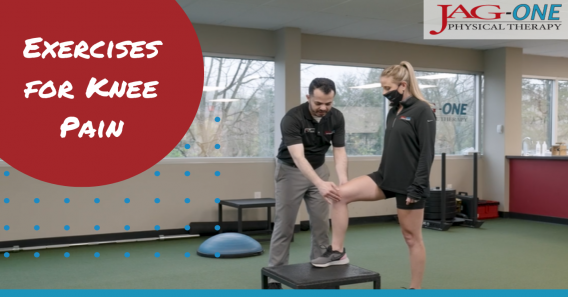
Millions of knee surgeries are performed in the United States each year, including approximately 790,000 total knee replacements, according to the American College of Rheumatology. These are often necessary operations for restoring patients’ mobility and quality of life, but the aftereffects can be very painful and limiting. Fortunately, there are ways to cope, and perhaps the best thing you can do for a better and faster knee surgery recovery is to consult a physical therapist and follow the rehabilitation plan you are recommended.
At JAG Physical Therapy, the leader in PT across NY, NJ, and PA, we’ve helped countless individuals get back their leg strength, improve their flexibility and range of motion, and ultimately move independently sooner after knee surgery. We’ll always listen to your needs and work with you to create a personalized PT regimen that’s best for your condition and lifestyle. Book your appointment now to get started or read below to see more details on post-knee surgery physical therapy.
Why is Mobility Challenging After Knee Surgery?
All types of surgery are inherently invasive medical procedures that are hard on the body. Ironically, even something like a full knee replacement, which offers patients the ability to walk freely in the long term, can make movement even harder in the short term. The after effects of knee surgery tend to include inflammation and accompanying joint stiffness, muscle weakness, and scar tissue formation. These are all associated with a successful surgery and the normal healing process – to say nothing about potential complications. Of course, this means that these quality of life issues after a knee operation are common, but also, most patients get very good results with PT for tackling these symptoms.
How Does Physical Therapy Help with Knee Surgery Recovery?
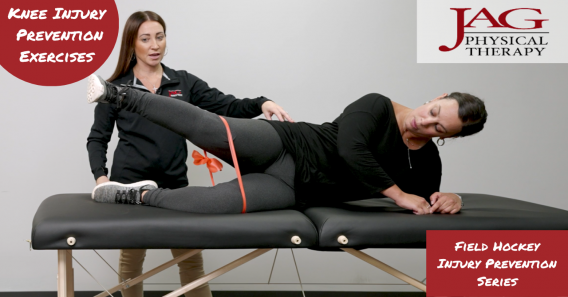
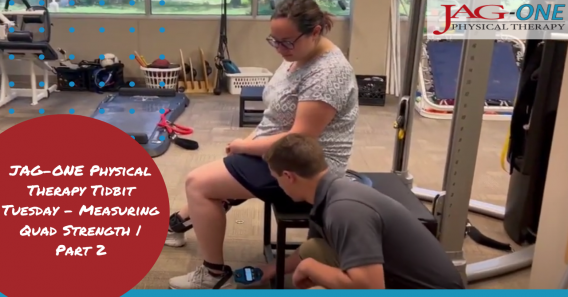
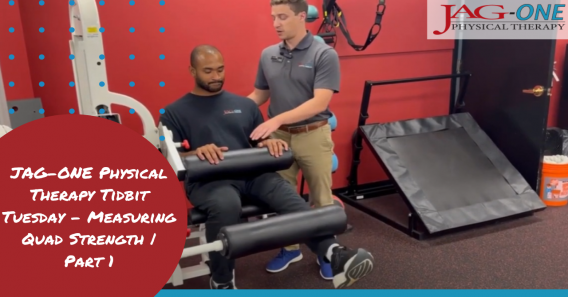
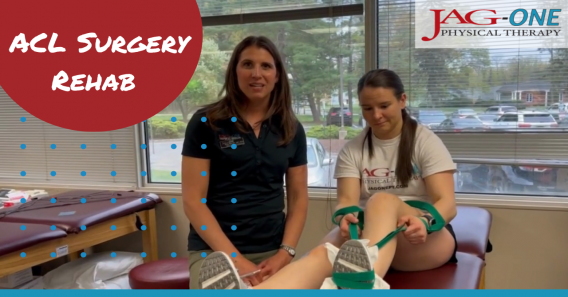
A physical therapist will use combined modalities to help patients achieve full recovery after a knee operation. For example, manual therapy, including medical massage, heating, and icing, is useful for pain control and reducing swelling. Restoring mobility takes not only active and passive assisted range-of-motion exercise, but strength training for the surrounding muscles of the legs – particularly the quadriceps, which are the only muscles that extend the knee. Flexibility training can be used for the iliopsoas muscles of the hip and the hamstrings for a surer stride. And gait analysis and training can pinpoint problems that lead to pain or limping when walking.
What Should I Expect During my Physical Therapy Appointment?
The types of physical therapy care you will receive following your knee surgery will change depending on how much you have recovered. In the early stage – the week or two after your operation – managing pain and inflammation will be the focus. Movement in the affected knee will be highly limited, but when possible your therapist will help you perform gentle aided mobility exercises.
Soon enough, in the middle stage of recovery, you’ll work on the factors that will help you walk independently. Building leg strength and flexibility are key, as is learning to optimally use any mobility aids or other devices you might need. This is the point at which your physical therapist will recommend daily at-home exercise, which will be increased over time.
The final stage of rehabilitation is the return to normal activities. Your personal schedule and goals are important – for example, if you run or jog recreationally, your therapist will help you increase your knees’ resistance to the impact of running. Most people will want to work on balance and endurance at the end of their recovery. The process is gradual, and you may feel like you’re not making any progress, but your consistent effort will allow you to heal in the long run.
What Can I Do At Home to Support My Knee Recovery?
Between your physical therapy appointments, your rehabilitation after knee surgery continues, and there are important steps you can take to improve the process. First and foremost, follow your therapist’s advice and stick to your home exercise plan. Don’t neglect the routine you’ve been recommended, and don’t push yourself too hard before you’re ready either.
Besides these specific exercises, ask your physical therapist about what kinds of low-impact physical activity you can engage in. The answer may change depending on your recovery stage – for example, while you may only be able to perform light yoga at one point, you may later be able to take more involved yoga classes. Keeping your joints safe and mobile means being vigilant about pain and inflammation, using ice and elevating your affected knee judiciously for swelling management, and always wearing supportive footwear. Above all, patience and consistency will promote healing and lower the likelihood of dissatisfaction and negative feelings as your knee recovers.
JAG Physical Therapy Helps You Get Back on Track
With over 160 convenient locations in the NY-NJ-PA area, wherever you are, JAG PT is ready to help you with your knee surgery recovery. Our experienced and compassionate physical therapy will combine advanced physical therapy methods and state-of-the-art equipment to develop the right rehabilitation plan for you. Contact us now or schedule your appointment to begin optimally healing your knee after surgery.