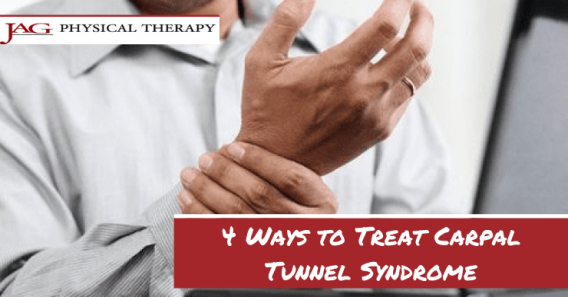

One of the most common orthopedic conditions seen in people of all ages is carpal tunnel syndrome. The carpal tunnel is the connection point between the forearm and the inner side of the wrist (towards the palm). A great deal of hand movement involves this anatomical area which makes carpal tunnel syndrome among the most difficult to deal with.
Both several long arm tendons and the highly important median nerve pass through the carpal tunnel. So in cases where these tendons are inflamed, when the wrist is fractured, affected by rheumatoid arthritis, or many others, the median nerve can become compressed. When using the hands for everyday tasks while you have a nerve compression like this, the resultant neuropathic issues such as numbness, tingling, and pain constitute carpal tunnel syndrome.
People with carpal tunnel syndrome often report inconvenience and discomfort at work, school, and during recreational activities or hobbies – but various physical therapy techniques are known to be effective in relieving carpal tunnel symptoms. At JAG Physical Therapy, our PT staff serve NJ, NY, and PA with their expertise in hand and wrist treatment and will customize a PT plan based on your exact preferences, condition, and lifestyle. You can book an appointment online or read further to learn more about our approach to carpal tunnel syndrome treatment.
The most characteristic sign of carpal tunnel syndrome is a “pins-and-needles” numb, tingling, and/or burning sensation, primarily in the thumb, index finger, and middle finger, and that can interfere with using the hands comfortably. If untreated, carpal tunnel syndrome can progress to pain, ultimately leading to hand weakness or immobility. The symptoms tend to get worse with sleep because most people sleep with their wrists slightly flexed. This means that the symptoms are worse at night and right after waking up.
A physician will look for carpal tunnel syndrome by instructing the patient to perform a number of different basic physical tests and observing them. This includes raising both hands above the head for approximately 2 minutes (an unusual sensation in the hands during this test would indicate carpal tunnel syndrome). The Durkan carpal pressure test, which checks for tingling when compression is applied to a specific area of the palm, is also used. Medical imaging is usually not necessary.
People with carpal tunnel can benefit from using orthotics like wrist braces, and JAG PT’s occupational therapy program advises our patients on how to best use devices like these. Certified hand therapy is also very helpful for treating any of the symptoms of carpal tunnel syndrome, and we offer other forms of relief that work in many carpal tunnel cases such as manual therapy, along with guidance on at-home exercises to help relieve pain between appointments.
See a Physical Therapist to Help with Your Carpal Tunnel Syndrome
If you have carpal tunnel syndrome, you know how disruptive this condition can be to your everyday life, making simple tasks like typing, gripping objects, or even sleeping uncomfortable or painful. Addressing symptoms early is key—seeking treatment sooner can help reduce pain, prevent worsening nerve compression, and restore proper hand and wrist function.
With the right care, you can work toward using your hands at full capacity with little to no discomfort. Find your nearest convenient JAG Physical Therapy location or schedule an appointment today to take the first step toward lasting relief and improved quality of life
-
 200 State Route 10, Suite 24, East Hanover, NJ 07936973 -329 -9688
 -
 211 Tuckerton Road, Suite 1, Medford, NJ 08055609-451-5104
 -

-
 1 Hanson Place, 4th Floor, Brooklyn, NY 11243718-230-0529
 -
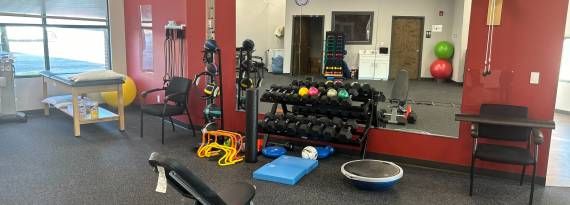 1 Orient Way, Suite A, Rutherford, NJ 07070973-320-3171
 -

-
 10 Woodbridge Center Drive, Suite 102, Woodbridge, NJ 07095732-855-0384
 -

-
 100 N. Middletown Road, Pearl River, NY 10965845-589-0558
 -
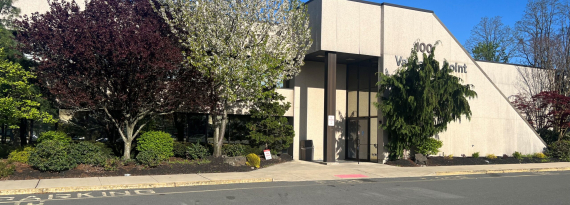 100 NJ-36, Suite 2P, West Long Branch, NJ 07764732-759-8478
 -
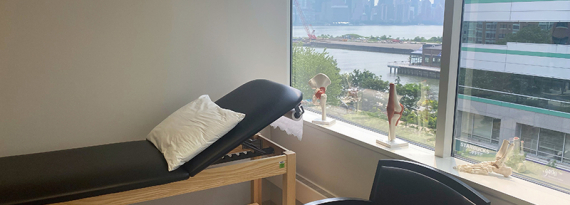 100 Town Square Place, Suite 403, Jersey City NJ 07310(201) 702-8430
 -
 1000 Galloping Hill Rd., Suite 102, Union, NJ 07083(908) 258-8783
 -

-
 101 South Main Street, Unit 3, New City, NY 10956845-247-6252
 -
 1041 W. Jericho Turnpike, Smithtown, NY 11787(631) 864-6009
 -

-
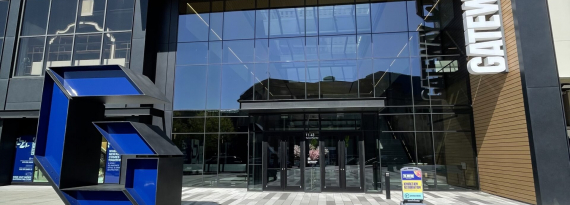 11-43 Raymond Plaza, Suite S105, Newark, NJ 07102973-329-9699
 -

-
200 State Route 10, Suite 24, East Hanover, NJ 07936973 -329 -9688
-
211 Tuckerton Road, Suite 1, Medford, NJ 08055609-451-5104
-
-
1 Hanson Place, 4th Floor, Brooklyn, NY 11243718-230-0529
-
1 Orient Way, Suite A, Rutherford, NJ 07070973-320-3171
-
-
10 Woodbridge Center Drive, Suite 102, Woodbridge, NJ 07095732-855-0384
-
-
100 N. Middletown Road, Pearl River, NY 10965845-589-0558
-
100 NJ-36, Suite 2P, West Long Branch, NJ 07764732-759-8478
-
100 Town Square Place, Suite 403, Jersey City NJ 07310(201) 702-8430
-
1000 Galloping Hill Rd., Suite 102, Union, NJ 07083(908) 258-8783
-
-
101 South Main Street, Unit 3, New City, NY 10956845-247-6252
-
1041 W. Jericho Turnpike, Smithtown, NY 11787(631) 864-6009
-
-
11-43 Raymond Plaza, Suite S105, Newark, NJ 07102973-329-9699
-