

Constipation is by a significant margin the most common digestive disorder in adults, and chronic constipation can be very painful and disruptive to daily life. The term constipation refers to both infrequent bowel movements and ones that are difficult or painful to pass.
The average adult has a bowel movement anywhere from three times a day to three times a week – any less than this, or significantly less than one’s personal average, indicates a disorder. Bowel movements that involve straining and that produce hard, dry stool also point to something wrong in the digestive system.
While various over-the-counter and prescription laxatives with different methods of action are available, these medications tend to have side effects of some kind and long-term use is not recommended. For chronic constipation, one of the most effective treatments is pelvic floor physical therapy.
At JAG PT, our expert, compassionate pelvic therapists help patients quickly relieve chronic constipation and maintain normal, healthy digestion over the long term. We use individualized combinations of exercise, biofeedback, and other treatments geared towards each patient’s unique health situation. Find one of our locations near you in New York, New Jersey, and Pennsylvania, schedule an appointment today, or read further to learn more about how we treat constipation with the most effective pelvic PT methods.
What Causes Constipation?
Constipation is a common symptom of pelvic floor disorders as well as other health conditions such as Parkinson’s disease, diabetes, and diverticulitis, among many others, and it can also result from the side effects of many medications.
One major root contributor to constipation is tightness in the pelvic floor muscles. If the system of musculature in the vicinity of the intestines can’t relax, this results in bowel movements being “held back”. Insufficient coordination of the muscles in the pelvis and the abdomen may mean that exertion during the passing of stool doesn’t work as well as it should.
Anismus (abnormal tightness of the anal sphincter and inability to relax it) and descending perineum syndrome, as well as other conditions, can also be among the pelvic floor-related contributing factors to constipation. All of these health issues can potentially be alleviated or corrected with pelvic floor PT, even in cases when other treatments do not work.
How is Constipation Diagnosed?
Since constipation is a symptom of different digestive and muscular conditions, not a distinct disease or health problem in itself, diagnosis is based on how the patient describes their symptoms. A physician will take note of conditions that could result in constipation in the patient’s medical history, as well as how long they report waiting between bowel movements. Abdominal and rectal examination may be used to confirm the diagnosis, and an abdominal X-ray will only be used if there is the possibility of a more serious problem like a bowel obstruction.
Treatment Options for Constipation
JAG Physical Therapy’s pelvic floor specialty helps people relieve the physical and functional causes of constipation with a number of different treatment modalities. Depending on patient needs, we combine manual therapy and abdominal massage to mitigate tightness and pressure, biofeedback to help patients understand their own bodily functions better and achieve greater bowel control, guided exercises focusing on pelvic floor flexibility, and more.
Schedule an Appointment with JAG Physical Therapy
JAG Physical Therapy offers a wide network of convenient locations throughout New York, New Jersey, and Pennsylvania, making high-quality care easy to access when you need it most. With clinics strategically located in local communities, accessing treatment is simple and stress-free—whether you’re seeking care close to home, work, or school.
Whether you’re recovering from an injury, managing ongoing pain, or working to restore strength and mobility, our experienced team is ready to work with you every step of the way. Don’t put your recovery on hold—find your nearest location or schedule your initial appointment today.
-
 200 State Route 10, Suite 24, East Hanover, NJ 07936973 -329 -9688
 -
 211 Tuckerton Road, Suite 1, Medford, NJ 08055609-451-5104
 -

-
 1 Hanson Place, 4th Floor, Brooklyn, NY 11243718-230-0529
 -
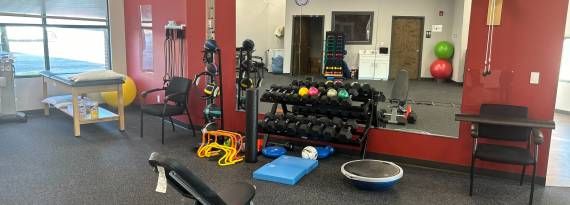 1 Orient Way, Suite A, Rutherford, NJ 07070973-320-3171
 -

-
 10 Woodbridge Center Drive, Suite 102, Woodbridge, NJ 07095732-855-0384
 -

-
 100 N. Middletown Road, Pearl River, NY 10965845-589-0558
 -
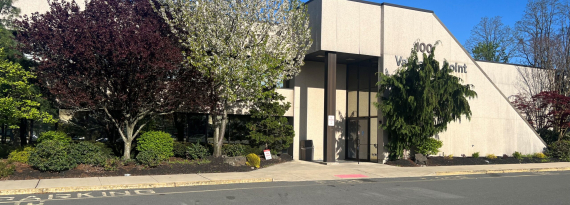 100 NJ-36, Suite 2P, West Long Branch, NJ 07764732-759-8478
 -
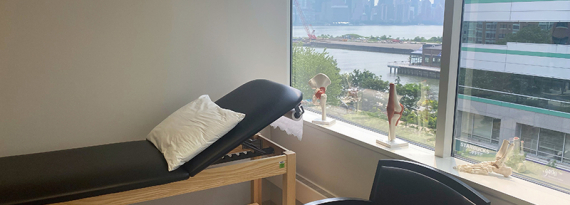 100 Town Square Place, Suite 403, Jersey City NJ 07310(201) 702-8430
 -
 1000 Galloping Hill Rd., Suite 102, Union, NJ 07083(908) 258-8783
 -

-
 101 South Main Street, Unit 3, New City, NY 10956845-247-6252
 -
 101 West 79th Street, Unit B, New York, NY 10024646-362-8987
 -
 1041 W. Jericho Turnpike, Smithtown, NY 11787(631) 864-6009
 -

-
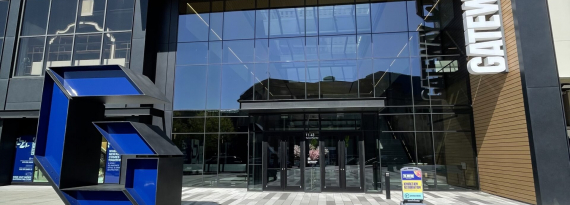 11-43 Raymond Plaza, Suite S105, Newark, NJ 07102973-329-9699
-
200 State Route 10, Suite 24, East Hanover, NJ 07936973 -329 -9688
-
211 Tuckerton Road, Suite 1, Medford, NJ 08055609-451-5104
-
-
1 Hanson Place, 4th Floor, Brooklyn, NY 11243718-230-0529
-
1 Orient Way, Suite A, Rutherford, NJ 07070973-320-3171
-
-
10 Woodbridge Center Drive, Suite 102, Woodbridge, NJ 07095732-855-0384
-
-
100 N. Middletown Road, Pearl River, NY 10965845-589-0558
-
100 NJ-36, Suite 2P, West Long Branch, NJ 07764732-759-8478
-
100 Town Square Place, Suite 403, Jersey City NJ 07310(201) 702-8430
-
1000 Galloping Hill Rd., Suite 102, Union, NJ 07083(908) 258-8783
-
-
101 South Main Street, Unit 3, New City, NY 10956845-247-6252
-
101 West 79th Street, Unit B, New York, NY 10024646-362-8987
-
1041 W. Jericho Turnpike, Smithtown, NY 11787(631) 864-6009
-
-
11-43 Raymond Plaza, Suite S105, Newark, NJ 07102973-329-9699